
Shimadzu at MSACL 2026
October 4-9
Hotel Bonaventure Conference Center
Montréal, Canada
Booth # 17, 18


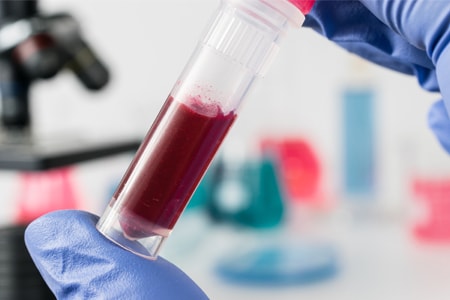
Screening and confirmation of drugs and illicit substances in biological matrices is an essential component of routine forensic toxicology case work. The volatile landscape of drug abuse has been tremendously impacted by the rise of novel psychoactive substances (NPS). Effective drug testing requires analytical workflows and technology that provide rapid, reliable results that are confidently defensible.
Shimadzu Scientific Instruments offers a comprehensive portfolio of complementary analytical technologies designed to address every stage of the toxicology workflow. Our gas chromatography-mass spectrometers (GC-MS) provide robust, cost-effective analysis for volatile and semi-volatile compounds, and remains one of the most trusted platforms in the industry. For screening and confirmation of larger drug panels, Shimadzu’s fleet of triple quadrupole liquid chromatography-mass spectrometers (LC-MS/MS) delivers exceptional sensitivity and selectivity. These platforms offer dynamic scalability to enable high-throughput screening and confirmation of many complex biological samples.
For laboratories seeking comprehensive characterization of unknown or emerging substances, Shimadzu's high-resolution quadrupole time-of-flight (Q-TOF) mass spectrometry line combines accurate mass measurements with full-scan data acquisition to support retrospective data analysis, non-targeted screening, and the investigation of novel compounds. Together, these complementary platforms provide flexible analytical solutions that enable forensic laboratories to tailor workflows to their unique testing needs while maintaining confidence in analytical results.
Analytical Techniques: LC-MS/MS, GC-MS, GC Libraries, LC-MS/MS Tox Database

Toxicology laboratories require efficient screening techniques capable of detecting a broad range of drugs and toxic compounds in complex biological samples. This study demonstrates the use of the Shimadzu LCMS-9030 Q-TOF for multi-target screening, HRMS library confirmation, and untargeted screening and identification of unknown compounds. An incredibly powerful tool for the ever-changing drug landscape.

Multiplexing and online SPE offer a streamlined and automated solution to reduce human intervention and boost laboratory efficiency. This study examines the analysis of several common drugs of abuse on LC-MS/MS platforms with innovative dual-chemistry online SPE. Boost your sample throughput and achieve reproducible quantitative performance.

Cannabis use is commonly detected in urine by measuring the persistent metabolites of THC, particularly THC-COOH and 11-OH-THC. This study evaluates the performance of the LCMS-8050 triple quadrupole mass spectrometer for sensitive and selective measurement of these THC metabolites. Sample cleanup includes a versatile and robust supported liquid extraction to obtain reliable data and maintain system cleanliness.

Phenethylamines including methamphetamine and MDMA are important drugs to monitor for any toxicology laboratory, but they can present several analytical challenges. This application demonstrates automated on-column derivatization using the AOC-30i autosampler and LabSolutions GCMS 2-step injection functionality. This unique approach enables direct analysis of extracted urine samples while significantly mitigating the time and effort normally reserved for manual preparation processes.